Quick Contact


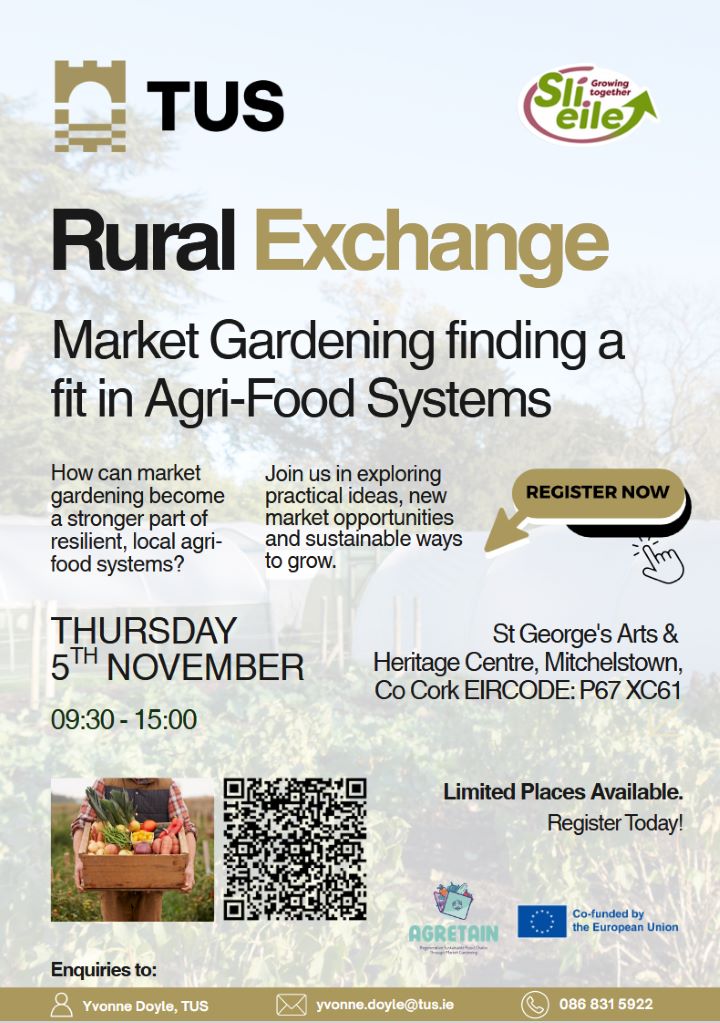



E-Learning Modules
Module A: Introduction to Market Gardening
Module B: Agriculture
Module C: Business
FIND OUT MORE
About Agretain
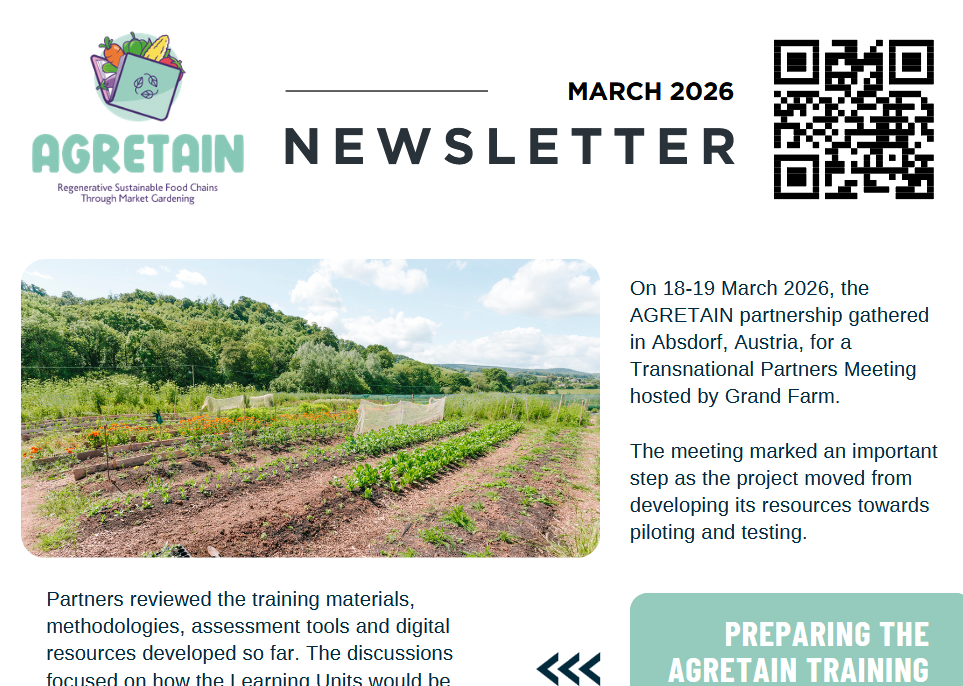
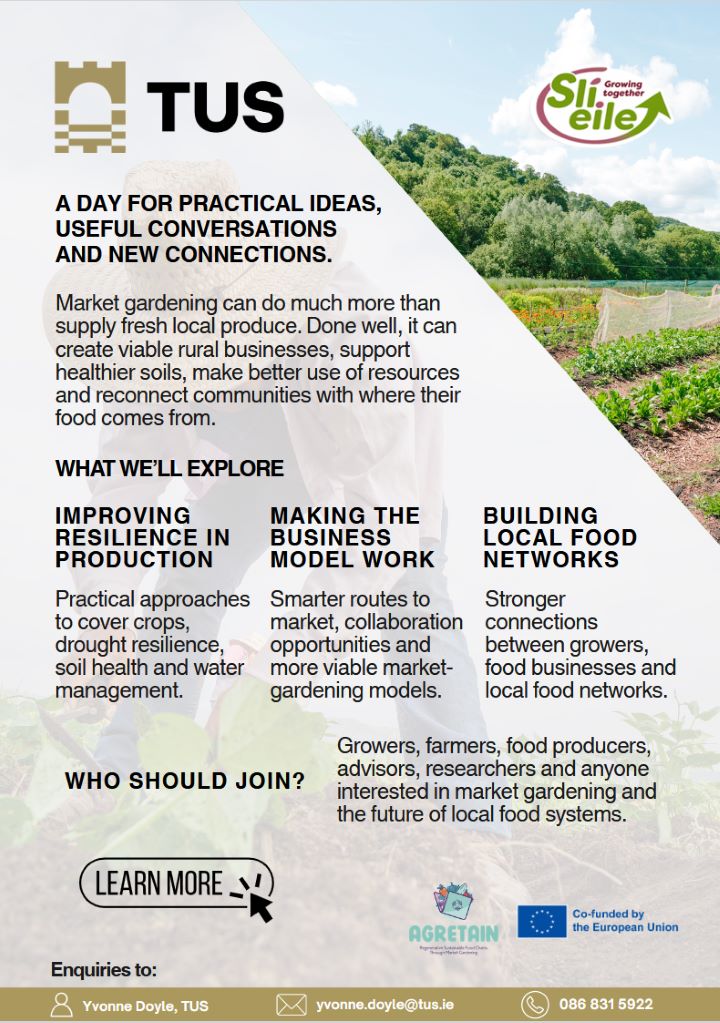
Market gardening is a method of vegetable growing in which fresh produce is grown on a small scale and sold directly to local markets and consumers. In contrast to traditional agricultural production, which is often geared towards growing large quantities of just a few plant species, market gardening focuses on a wider variety of vegetable varieties to produce a broader range of products. Crops are grown in both open fields and greenhouses and polytunnels to extend the season and maximize yield. Products are then sold directly to local markets, restaurants and consumers for greater control over quality and price. Market gardening is often seen as a more sustainable and environmentally friendly alternative to traditional agriculture because it uses no pesticides or herbicides and uses less energy and water.
Market gardening is characterized by a high degree of standardization and efficient design. It relies on light, inexpensive but effective manual techniques. This makes it possible to work efficiently while keeping investment costs low. With this combination, a good living can be earned on as little as 500 – 2000 m².

Project Aims
To develop new teaching methods and learning material in the field of market gardening, opening up new learning opportunities for soil regenerative practices in small scale farming.

Project Objectives
The project will develop a curriculum for students, neo farmers and farming practitioners and will design and pilot learning units which will incorporate a mix of training methodologies.

Target Groups
- HEI’s: Students & Staff
- VETs and training providers
- Farming companies
- Farming advisors
- Young farmers and neo farmers